Physical Address
304 North Cardinal St.
Dorchester Center, MA 02124
Physical Address
304 North Cardinal St.
Dorchester Center, MA 02124


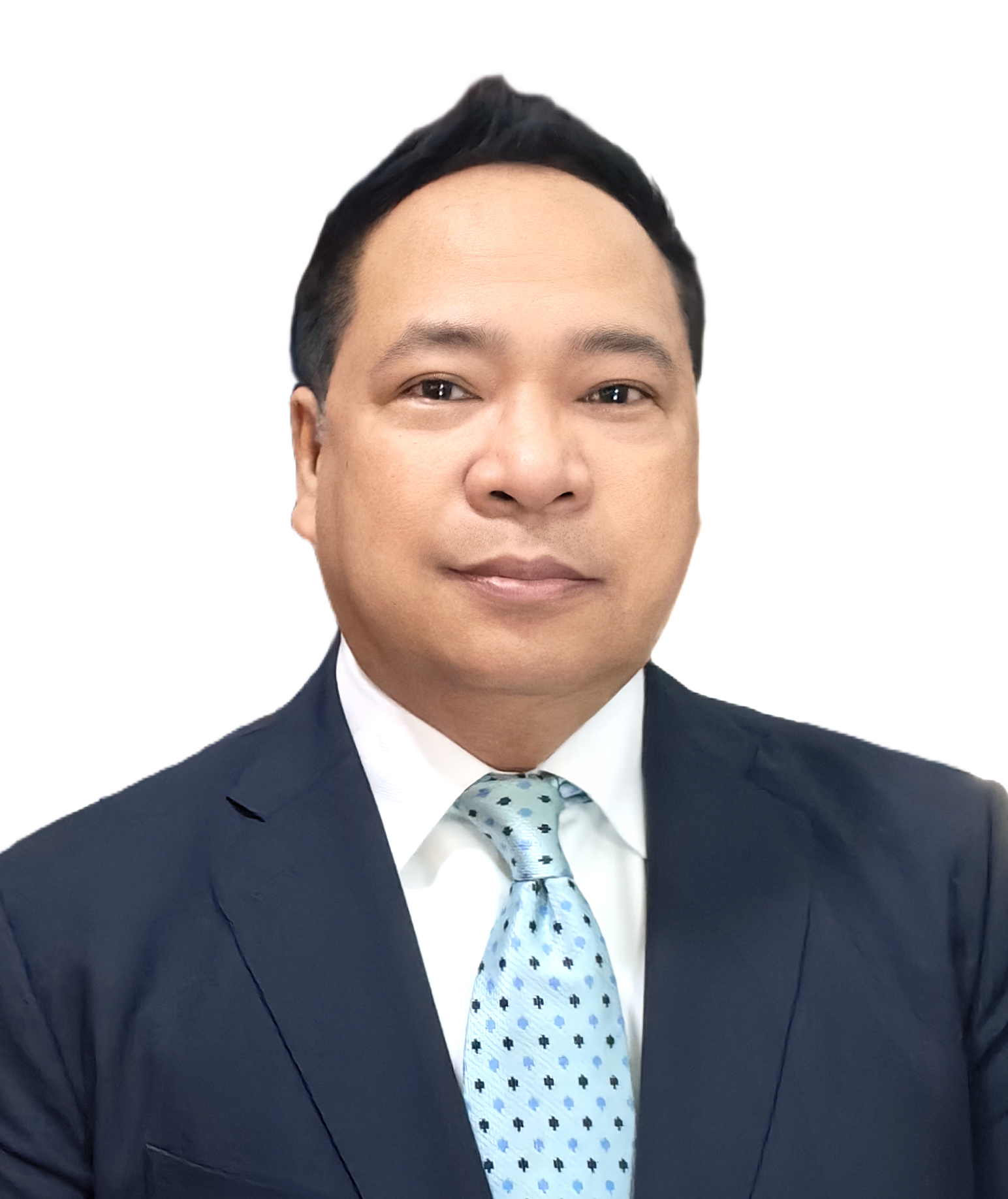
By Dr. Santiago Fronda, PhD, MBA
Author of The Green Frontier and Renewable Energy Project Management
We live in an era of overwhelming access to information. Leadership seminars, books, podcasts, certifications—there’s never been more content at our fingertips. But here’s the truth: learning means nothing if it doesn’t change how you think, decide, or lead.
In the fast-moving world of sustainable development, climate finance, and clean energy leadership, those who act on what they learn shape the future—those who don’t get left behind.
In this GreenFRONTIER guide, I’m not going to tell you to “keep learning.” You already know that. Instead, I’ll walk you through a practical, high-impact system to help you retain, apply, and scale your learnings into real-world leadership transformation.
Keywords: applied leadership, knowledge retention, clean energy leadership, green infrastructure projects, learning implementation framework.
Dr. Santiago
✍️ “The shortest pencil is better than the longest memory.”
Don’t assume you’ll remember that insightful framework from a panel discussion or that breakthrough idea from a project meeting. You won’t. Neuroscience confirms: within hours, most of it fades.
Solution? Take notes. Immediately.
Documentation is the foundation of transformation.
It’s not enough to passively record ideas. You need to translate them into your own context.
Start by crafting:
Example:
I learned that sustainable leadership requires conscious time boundaries.
I will block 90 minutes each week to recalibrate my priorities around impact, not urgency.
When you declare what you will do, your brain treats it as a command—not a suggestion.
📖 Case in Point: Jack Collins, a project manager in the UK, took this method seriously. After attending a sustainability leadership training, he wrote:
“I learned that clarity beats intensity when making an impact. I will prioritize depth over speed in my stakeholder engagements.”
Within one month, he:
Jack’s outcome? A more focused, purpose-aligned role—and a team that followed suit.
Studies show that without spaced repetition, 70% of new information is lost in four days.
Instead of letting your notes gather digital dust, schedule a 15-minute review loop:
“When you read something often enough, no one can take it away from you.” – My father”
Repetition rewires retention. Repetition is the Mother of All Skills.
When you teach it, you keep it.
Don’t hoard knowledge—share it:
The act of teaching forces synthesis and builds confidence. It also positions you as a value-giver—not just a knowledge consumer.
“Leadership is not about knowing more. It’s about applying and elevating others with what you know.”
Close your eyes and ask: What does success look like after I apply this?
Your brain follows where your vision goes. Visualizing your future behavior makes it more likely to happen.
If your “I will” is:
“I will give more recognition to my team.”
Then visualize:
Olympic athletes use mental rehearsal. As a project leader, use it too.
Progress is often invisible—unless you record it.
Every week, jot down:
This is not just for motivation—it creates a feedback loop that validates your growth. And it rewires your brain to associate learning with movement, not stagnation.
“Transformation is made visible through the trail of small, consistent action.”
Private goals are fragile. Public commitments are durable.
Invite someone you trust—your manager, coach, or peer—to help you stay aligned. Share your “I will” statements and ask:
“Would you be willing to ask me about this next week?”
It turns intention into shared responsibility—and massively boosts follow-through.
“The minute you speak a goal aloud, it begins to take root.”
Knowledge is your superpower—but only if it becomes a behavior.
Let others attend the same conferences and read the same books. You’ll win because you implement.
“Don’t just collect insights. Cultivate them into impact.”
– Dr. Santiago Fronda, GreenFRONTIER

If you found this article helpful, explore Dr. Santiago Fronda’s globally recognized books:
📘 The Green Frontier: Global Project & Infrastructure Finance
A comprehensive playbook for sustainable finance, capital structuring, and green investment strategies.
📗 Renewable Energy Project Management: Strategy, Execution, and Sustainable Impact
A practical guide on leading complex renewable energy projects from concept to commissioning.
Both titles are globally available in digital format. 👉 Visit the Bookstore and Download Your Copy
Empower yourself with the tools trusted by project developers, financial institutions, and infrastructure leaders worldwide.
Dr. Santiago Fronda, PhD, MBA, is a global expert in sustainable infrastructure and project finance. As the author of The Green Frontier and Renewable Energy Project Management, and founder of NEOX Development Services Group, he assists project leaders, investors, and institutions in delivering high-impact renewable energy and infrastructure projects across Asia, Australia, and the Middle East. Dr. Fronda brings over 20 years of executive leadership, financial strategy, and capacity-building expertise to climate-aligned ventures worldwide.
Follow Dr. Santiago on LinkedIn for weekly insights on clean energy finance, ESG leadership, and capital-ready project development.

Dr. Santiago Fronda, Ph.D., MBA, is a global leader in project and infrastructure finance, with over two decades of experience structuring multi-billion-dollar clean energy and sustainable infrastructure projects. As the author of The Green Frontier and Renewable Energy Project Management, and CEO of NEOX Development Services Group, Dr. Santiago helps developers, governments, and investors turn climate ambition into bankable projects.