Physical Address
304 North Cardinal St.
Dorchester Center, MA 02124
Physical Address
304 North Cardinal St.
Dorchester Center, MA 02124


The Titans of Consulting: How Iconic Advisors Shaped Industries—and What We Can Learn from ThemThe Green Frontier Blog Series | Thought Leadership & Impact Strategy
By Dr. Santiago Fronda, PhD
Introduction
In boardrooms, crisis rooms, executive retreats, and corner offices worldwide, consultants have quietly redrawn the blueprint of the modern enterprise. While CEOs may command the spotlight, it’s often the strategic minds behind the scenes—the consultants—who shape the very trajectories of entire industries.
This article serves as your guided tour through some of the most influential consultants in history and the present day. Not merely for the titans they advised, but for how they revolutionized the way we think, decide, and lead. Whether you’re an emerging advisor or a seasoned strategist, these stories are more than history lessons—they offer actionable wisdom, they’re a roadmap to building an enduring legacy of your own.
Why This Matters Now
In a world defined by climate urgency, exponential technology, and shifting geopolitical tides, consulting has evolved far beyond business advice—it’s leadership deployed at scale.
Today’s top consultants operate at the critical intersection of ideas and execution, guiding nations through decarbonization, helping corporations reinvent under ESG imperatives, and enabling communities to adapt with resilience.
Whether structuring capital for multi-billion-dollar green ammonia hubs or advising Fortune 500 boards on systemic risk, the modern consultant is part economist, part psychologist, part systems architect—and often, part moral compass.
This isn’t theoretical. The decisions we shape determine carbon pathways, economic resilience, and opportunities that will define generations.
That’s why exploring the lives and methods of history’s greatest consultants isn’t just fascinating—it’s essential. It equips us with timeless frameworks and strategic mindsets to tackle today’s most profound opportunities—and our most existential threats.
In a world sprinting toward net zero, navigating fragmented alliances, and undergoing profound digital revolutions, consultants aren’t merely advisors anymore.
They’re systemic architects—helping mold national economies, engineer ESG-linked financial instruments, and steer the global climate transition itself.
Studying these consulting legends is more than a journey through history.
It’s how we prepare ourselves to solve the most complex challenges of our era—and build a future worthy of our highest ambitions.
True consultants do not simply solve problems—they reveal hidden structures, ignite courageous choices, and help leaders build futures worthy of their people.
Dr. Santiago Fronda, The Green Frontier
Legends Who Rewrote the Rules
1. Peter Drucker — Architect of Modern Management
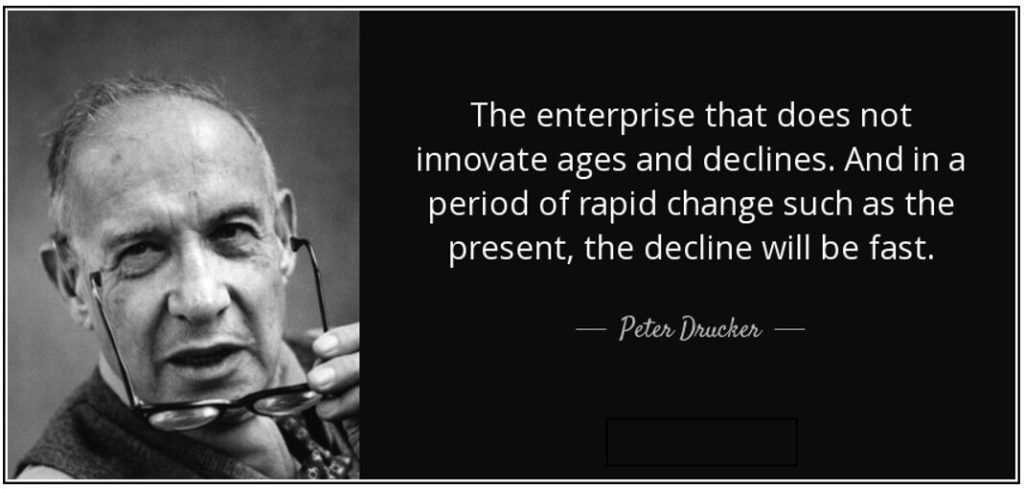
Dubbed the “Father of Modern Management,” Peter Drucker didn’t merely advise corporations—he reimagined what leadership could be. From General Electric to Intel, his counsel helped transform industrial giants into purpose-driven organizations.
Drucker’s brilliance was that he didn’t just refine management; he dignified it. He saw enterprises as social institutions first—economic engines second. In his view, leadership was fundamentally an act of stewardship: respecting knowledge workers, decentralizing authority, and focusing organizations on their actual core strengths.
These were not abstract theories. Drucker laid the intellectual foundations for the agile, collaborative, and mission-centered organizations that drive today’s clean energy consortia and multi-stakeholder ESG ventures.
“Management is not a task; it is an act of stewardship—guiding human potential toward outcomes that outlast us.”
Legacy Lesson: The most enduring consultants don’t simply solve problems or give advice—they redefine the very language and philosophy of leadership itself.
📝Case Study
Drucker’s principles resonate strongly in today’s renewable megaprojects:
Strategic takeaway:
By embedding Drucker’s stewardship mindset, modern renewable consortia can structure authority, expertise, and accountability to be resilient under complex, cross-border pressures, thereby turning philosophical management into a hard-nosed competitive advantage.
2. Philip Kotler — The Godfather of Modern Marketing
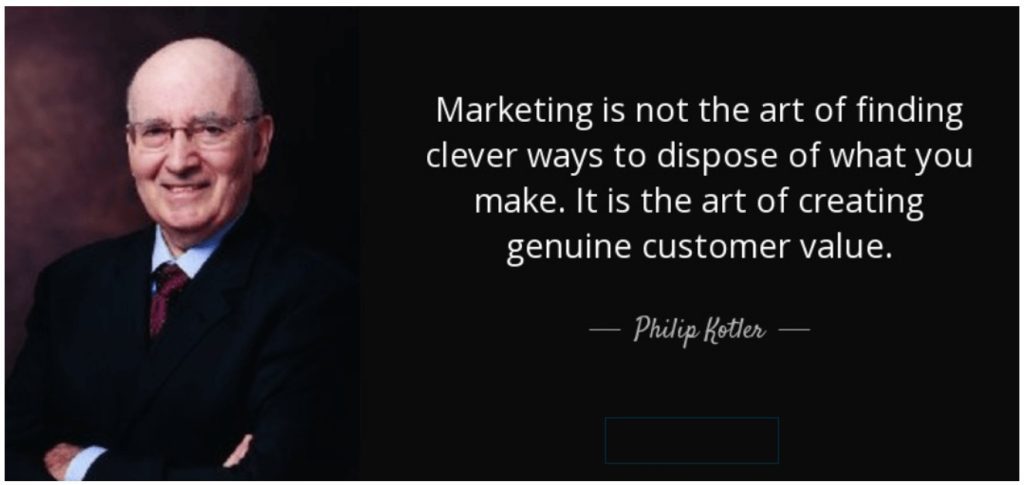
Kotler didn’t just formalize marketing—he transformed it into a rigorous, strategic discipline that today’s renewable developers and ESG fund managers still rely on. Known globally for crystallizing the Marketing Mix (4Ps), Kotler turned what was once intuition into a replicable science that helped firms build entirely new markets.
His frameworks did more than sell products—they taught industries how to articulate value, shape customer expectations, and create demand curves for offerings the world had never seen. That’s why they remain foundational for everything from launching breakthrough energy technologies to structuring carbon offset narratives that resonate with international offtakers and policy stakeholders.
“Strategy becomes real when it transforms insight into relevance, and relevance into relationships that endure.”
Legacy Lesson: The most enduring consultants build models that transcend market cycles, laying down roadmaps for how entire sectors evolve and connect with customers across decades.
📝 Mini-Toolkit
Using Kotler’s 4Ps to Position Green Hydrogen Exports
Strategic takeaway: Kotler’s 4Ps, when modernized for climate economics, become a powerful framework to build resilient, multi-decade revenue streams.
3. Michael Porter — The Strategist of Competition
Porter’s Five Forces, Value Chain, and Shared Value frameworks aren’t just staples in MBA and PhD programs—they are the bedrock of how companies, countries, and capital markets now structure their ambitions. Through The Monitor Group and Harvard Business School, Porter championed competitiveness as more than just a corporate metric—it became a national and societal imperative.
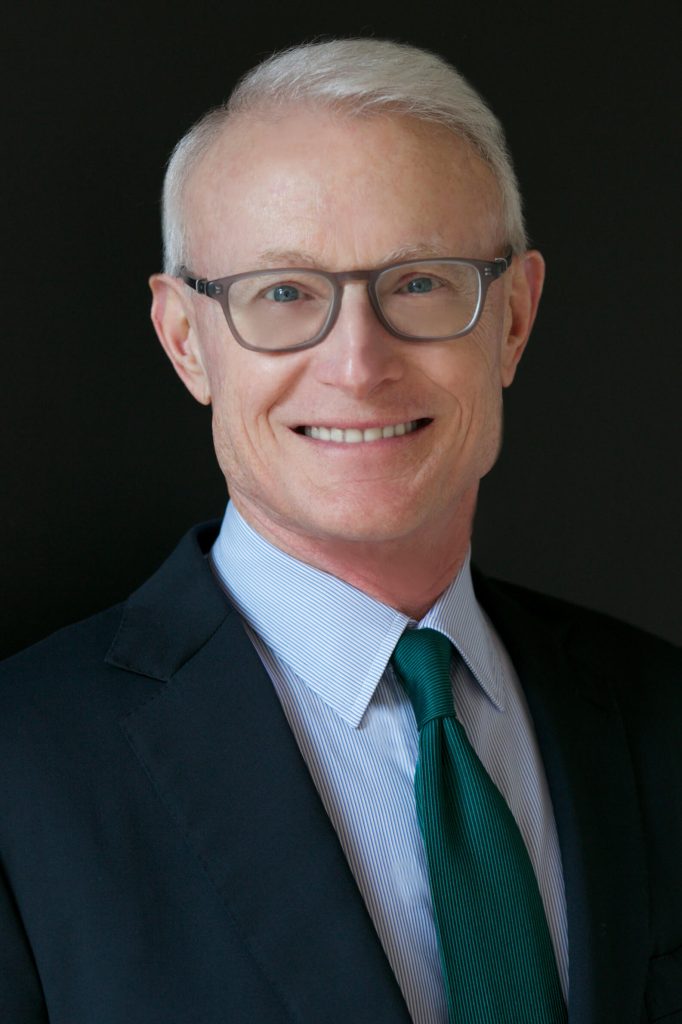
What set Porter apart was his insistence that competitive advantage stretches far beyond mere pricing or differentiation. It encompasses clusters, ecosystems, and systemic value creation—the very concepts that underpin today’s renewable energy hubs and the financial sector’s growing integration of climate risk.
This is why governments strategically design hydrogen corridors and biofuel clusters to pool talent, infrastructure, and supply chains, while institutional lenders embed climate resilience metrics into every major loan or investment term sheet. Porter’s frameworks don’t just analyze industries—they actively shape how modern economies de-risk, decarbonize, and compete on a global scale.
“The fiercest competition is often with inertia. True strategy dares to disrupt not just markets, but our deepest assumptions.”
Legacy Lesson: Deep, rigorous frameworks become timeless when they solve universal problems.
📝 Case Study
Applying Porter’s Clusters to Green Hydrogen Export Corridors
Australia’s Pilbara and Western Australia are pushing to become global green hydrogen hubs by:
Result: These regions build an ecosystem that collectively lowers unit costs, attracts long-term capital, and mitigates supply chain risk—Porter’s cluster economics in action.
Modern Icons Shaping Tomorrow
4. Jim Collins — From Good to Great
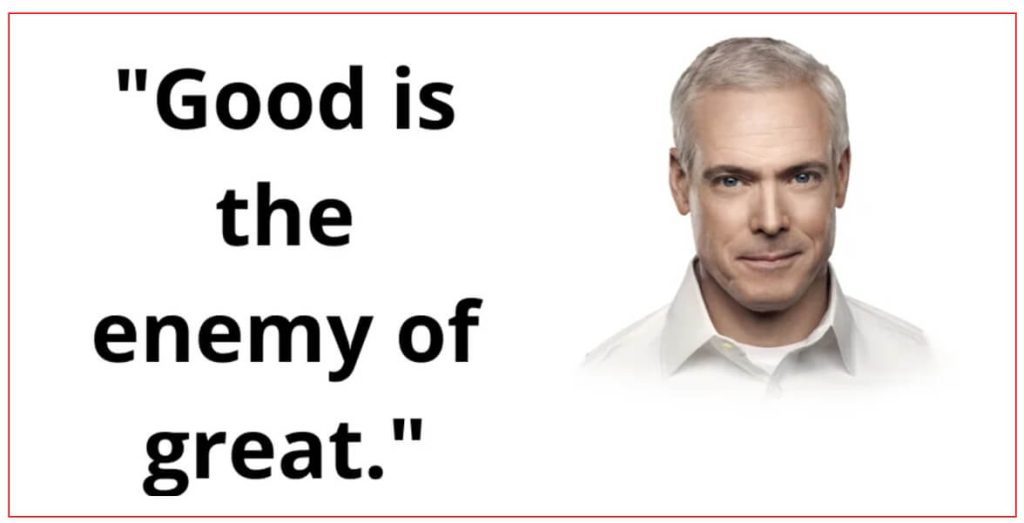
Jim Collins demonstrated that greatness isn’t inherited—it’s engineered through relentless discipline. His landmark research, captured in Good to Great and Built to Last, decoded why some companies merely survive while others achieve multi-decade outperformance.
At the heart of Collins’ insight is the Hedgehog Concept: enduring success emerges where three forces converge—what you’re deeply passionate about, what drives your economic engine, and what you can be the best in the world at.
This isn’t academic philosophy. It’s a precision lens now used by green hydrogen developers building $5B export hubs, by ESG fund managers underwriting climate transition platforms, and by boardrooms debating where to allocate scarce capital. Collins’ work underpins why certain ventures deliver stable cash flows and impact over generations, while others crumble under the weight of their own overreach.
“Greatness is never an accident; it is the compound interest of disciplined choices, held to purpose, over long arcs of time.”
Insight: In transformative infrastructure, success doesn’t come from slogans or even the best spreadsheets—it comes from strategic focus, brutally clear priorities, and the patience to let discipline compound into leadership.
📝 Strategy Snapshot
Applying the Hedgehog Concept to Green Infrastructure:
Pro Insight: Collins’ Hedgehog test is a brutally effective filter. It forces developers and financiers to ruthlessly prioritize capital, talent, and leadership attention, channelling them only into opportunities that align mission, margin, and mastery for durable, systemic advantage.
5. Barbara Minto — Mastermind of Executive Communication
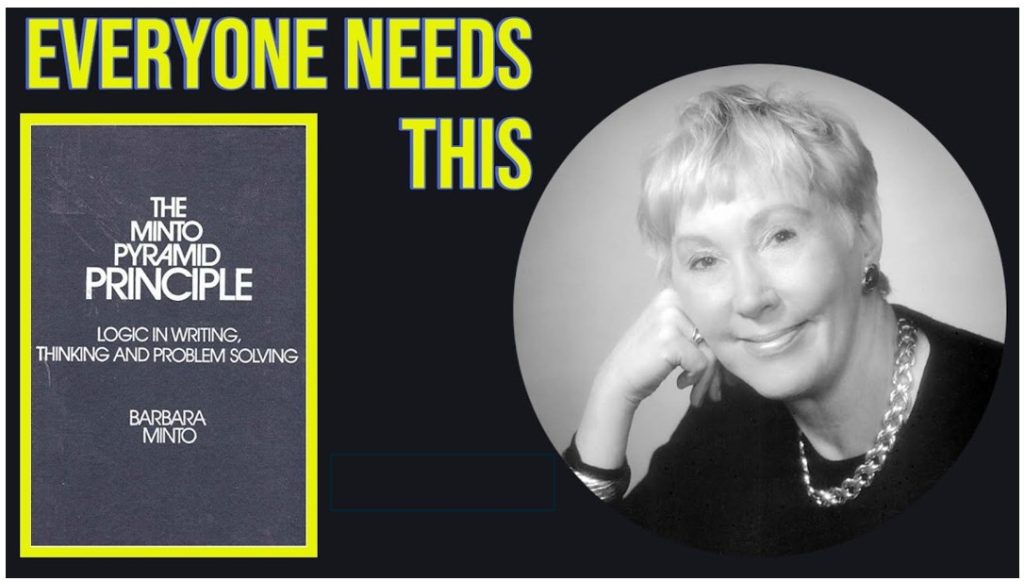
Barbara Minto didn’t just teach executives to communicate—she taught them to think. As McKinsey’s first female consultant, she developed the Pyramid Principle, a framework that organizes ideas top-down: starting with the conclusion, then layering structured arguments and evidence underneath.
In today’s multi-billion-dollar renewable and infrastructure deals, Minto’s approach is indispensable. Whether pitching sovereign wealth funds on a green ammonia hub, aligning DFIs around complex social impact covenants, or steering a lender’s syndicate through risk matrices—clarity is capital.
“Ideas only become power when structured with clarity—when complexity bows to narrative, and minds align.”
Insight: In markets flooded with competing priorities and technical noise, it’s the consultants who distill complexity into a crisp, actionable story who drive real decisions—and secure the capital needed to transform ideas into infrastructure.
📝 Mini-Toolkit
Using Minto’s Pyramid to Unlock Investment Commitments
✅ Lead with the answer:
“This $3.5B integrated SAF facility will drive a 27% reduction in regional transport emissions, achieve 2.6x DSCR, and reach commercial operations by Q4 2028.”
✅ Group your supporting pillars:
✅ Drill down beneath each:
Include stress test outcomes, EPC wrap guarantees, local government MOUs.
Pro Insight: Minto’s method moves stakeholders from “interested” to “invested”—because they can follow exactly how the promise ties to solid execution.
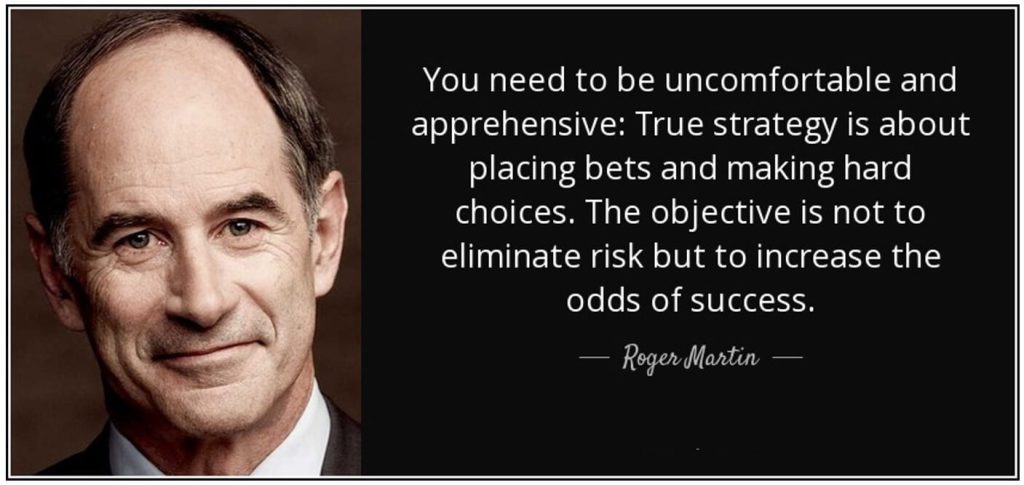
6. Roger Martin — Strategy with a Soul
Roger Martin brought humanity and creativity into the heart of competitive strategy. His concept of integrative thinking urges leaders to move beyond false trade-offs—like planet vs. profit, short-term ROI vs. long-term societal value—and design models where these objectives coexist.
Martin’s philosophy is why sustainability is no longer a side initiative but the core of modern corporate strategy. It’s embedded in how developers blend climate covenants with bankable structures, how insurers craft blended finance instruments, and how boards weigh project pipelines against geopolitical carbon realignment.
“Strategy at its heart is the courage to choose—and to stand accountable for the future your choices create.”
Insight: The consultants who make the deepest impact don’t keep hedging forever—they guide leaders to commit, knowing true advantage lies in bold, coherent choices that serve both shareholders and society.
📝 Case Study
Integrative Strategy in ESG-Linked Finance
Strategic takeaway: Martin’s approach transforms fragmented priorities into holistic strategies that satisfy financial, environmental, and social stakeholders—unlocking deals that might otherwise stall.
Disruptors Redefining Consulting (2025 and Beyond)
7. Quay Kester — Consulting for Cultural Change

Quay Kester exemplifies the next frontier of consulting: embedding equity, belonging, and local co-ownership into global-scale ventures. As founder of Evoke Research, she develops frameworks that ensure infrastructure isn’t merely built—but rooted in justice and shared prosperity.
Her work is especially critical in clean energy corridors across Africa and Central Asia, where multinational investment must reconcile with local needs, historic imbalances, and community resilience.
Takeaway: The most impactful consultants today design for cultural inclusion, not just technical completion—ensuring projects endure because people want them to.
📝 Spotlight
Designing Inclusive Capital Projects
Outcome: Faster permitting, deeper community buy-in, and reduced political risk premiums—transforming ESG from compliance into competitive advantage.
8. Amy Gilliland — Leading at Scale with Empathy
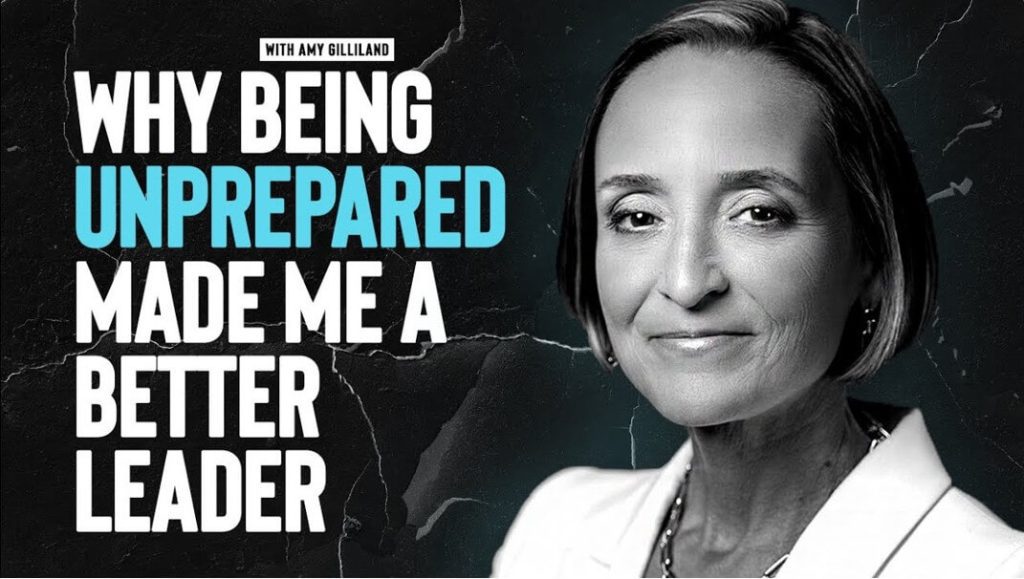
As President of GDIT, Amy Gilliland manages 30,000 technologists delivering mission-critical systems to governments worldwide. But her legacy isn’t just operational—it’s cultural. She proves massive infrastructure and digital transformation can be led with empathy, transparency, and a human-first ethos.
This is precisely the model needed in multi-country renewable projects, where diverse contractors, regulators, financiers, and communities must coordinate seamlessly under enormous stakes.
Takeaway: Sustainable consulting is about more than engineering or finance—it’s about cultivating trust at scale, turning complex coalitions into unified forces for progress.
9. David C. Baker — The Advisor’s Advisor
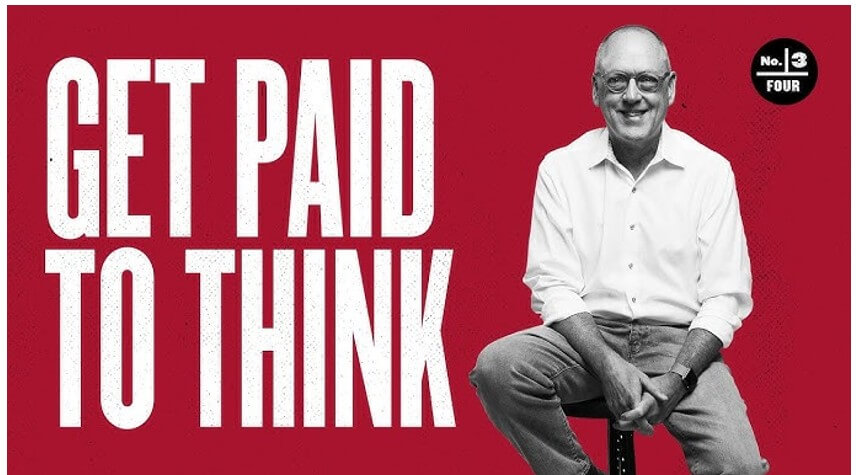
David Baker’s work demonstrates a timeless truth: hyper-specialization builds authority. In a fractured green finance and infrastructure landscape, being the global expert on, say, feedstock contract structures, ECA wraps, or ammonia logistics creates a magnetic pull for premium opportunities.
“Specialization builds credibility. Credibility builds demand.”
Takeaway: The consultants who shape the largest deals often start by mastering a single, critical niche—then expand influence as the ecosystem recognizes their indispensable expertise.
10. Tara Gentile — The Quiet Strategist
Tara Gentile teaches a rare discipline: aligning inward clarity with outward strategic execution. Her Quiet Power Strategy isn’t about dominating conversations—it’s about shaping them from a place of grounded conviction.
This mindset is essential for leaders navigating volatile renewable markets or high-visibility ESG platforms, where noise is plentiful but clarity and calm authority are scarce.
Takeaway: The most influential consultants often don’t broadcast the loudest—they resonate so precisely that their insights set the entire agenda.
11. Brené Brown — The Empathy Consultant
Brené Brown redefined vulnerability as a leadership advantage. Her frameworks around trust, courage, and psychological safety have become embedded even in infrastructure risk reviews—because stakeholders now understand that teams with deep trust execute under pressure where others fragment.
“Vulnerability isn’t weakness; it’s the forge of trust. Without it, no consultant can unlock a team’s true potential.”
Takeaway: In complex, multi-party builds, culture isn’t ancillary. It is the strategy—because without trust, even the best-designed projects collapse.
12. Simon Sinek — The Purpose Whisperer
Sinek’s ideas are why ESG-linked loans exist, why green bonds embed SDG triggers, and why the best consultants help clients start with why, not just what.
With Start With Why, Sinek reframed leadership around meaning and mission. He advises leaders to build teams rooted in purpose—not fear or authority.
“A leader’s deepest obligation is to name the ‘why’ so others can see themselves in the mission—and give their best to it.”
Takeaway: Purpose-driven consulting is not a niche; it’s the new norm.
What Truly Makes a Consultant Great
Your Strategic Roadmap to Lasting Impact
“Consulting is not simply about advising leaders; it’s about helping them architect futures where prosperity and planet are allies, not adversaries.”
You don’t have to be a Drucker, Kotler, or Sinek to shape industries or influence history.
But you do need to:
Especially in the realms of clean energy, ESG finance, and sustainable infrastructure—the world doesn’t need more trend-chasers.
It needs consultants who don’t just predict the future—but have the courage, skill, and vision to help build it.
Becoming the Consultant Clients Can’t Live Without
You don’t need a Harvard chair or a Thinkers50 medal to be indispensable.
But you must develop:
The most respected consultants didn’t just follow emerging trends.
They foresaw them.
They designed for complexity.
They built trust, frameworks, and followings.
🔖 Pro Insight: True consulting mastery lives at the intersection of intellectual rigor, emotional intelligence, and values-driven leadership.
✍️ Strategic Layers: Lessons for Infrastructure & ESG Leaders
This isn’t just theory or admiration.
Here’s how these icons’ insights directly scale to the world of project finance, renewables, and impact-driven growth:
What Separates Great Consultants from Good Ones?
Great consultants don’t just analyze.
They synthesize.
They don’t just advise.
They enable execution.
They aren’t just smart.
They’re wise—knowing when frameworks serve, and when they shackle.
Your Strategic Imperative
You don’t need to be a Drucker or Sinek to redefine your industry.
But you do need to:
Especially in renewable energy, advanced biofuels, and ESG-driven capital markets—we need consultants who won’t just talk about the future.
We need those who will actively build it.
FAQs for Aspiring Impact Consultants
Who is the most referenced consultant in global strategy?
Michael Porter, whose work on competition, clusters, and shared value shapes everything from WTO negotiations to local SME policy.
What do top-tier consultants do differently?
They develop intellectual property—whether it’s frameworks, books, or proprietary models—turning expertise into influence that compounds over time.
Can I break into this world without an MBA or CFA?
Absolutely—if you can solve tough problems, demonstrate repeatable impact, and communicate with clarity and gravitas.
How do I pivot into clean energy or ESG consulting?
Get credentialed in climate finance or sustainability standards, embed yourself in pioneering projects, and build case studies that prove you can de-risk complex, multi-stakeholder investments.
A Final Word: Consulting Is How We Architect a Better World
At The Green Frontier, we believe consultants aren’t mere advisors.
They are architects of resilient systems, catalysts for human progress, and stewards of long-term planetary prosperity.
The icons we’ve explored didn’t just serve clients—they shaped societies.
So can you.
True consultants do not simply solve problems—they reveal hidden structures, ignite courageous choices, and help leaders build futures worthy of their people. They teach us that frameworks are only as powerful as the values that guide them, and that strategy must always bend toward human dignity and long-term stewardship.
Dr. Santiago Fronda, The Green Frontier

Dr. Santiago Fronda, Ph.D., MBA, is a global leader in project and infrastructure finance, with over two decades of experience structuring multi-billion-dollar clean energy and sustainable infrastructure projects. As the author of The Green Frontier and Renewable Energy Project Management, and CEO of NEOX Development Services Group, Dr. Santiago helps developers, governments, and investors turn climate ambition into bankable projects.